

About Us
The Kenya Society for the Blind (KSB) was established in 1956 through an Act of Parliament Cap 251 of the laws of Kenya (Revised 2012). KSB is charged with the responsibility of serving all Kenyan citizens who are at a risk of going blind as well as people living with visual impairment (PWVI).
The functions of KSB as provided in Cap 251 of the laws of Kenya are:
(i) To promote the welfare, education, training, and employment of the blind and to assist in the prevention and alleviation of blindness.
(ii) To assist the government, societies, any institution, organizations or society or person in all matters related to blind.
(iii) To awaken public interest in the welfare of the blind and in all matters relating to blindness.
(iv) To advise on all things necessary or required in any matter to or connected with the blind.
Our Mission
We exist to promote an enabling environment for persons with visual impairments and those at risk of visual impairment through prevention, education, rehabilitation and habilitation initiatives by working with persons with visual impairments, partners and government agencies at all levels.
Our Vision
To create a society in which no one is needlessly blind and rights of the visually impaired are ensured.
Legacy of KSB (1956–2026)
Over seven decades, the Kenya Society for the Blind has evolved from a welfare-focused institution into a national leader in: Prevention of avoidable blindness,Inclusive education, Rehabilitation and independent living, Assistive technology, Advocacy and awareness, Empowerment of persons with visual impairment, Since its establishment in 1956, KSB has remained the statutory organization mandated to champion the welfare of persons with visual impairment while working toward a Kenya where no one is needlessly blind. (Kenya Law)
Foundation and Establishment
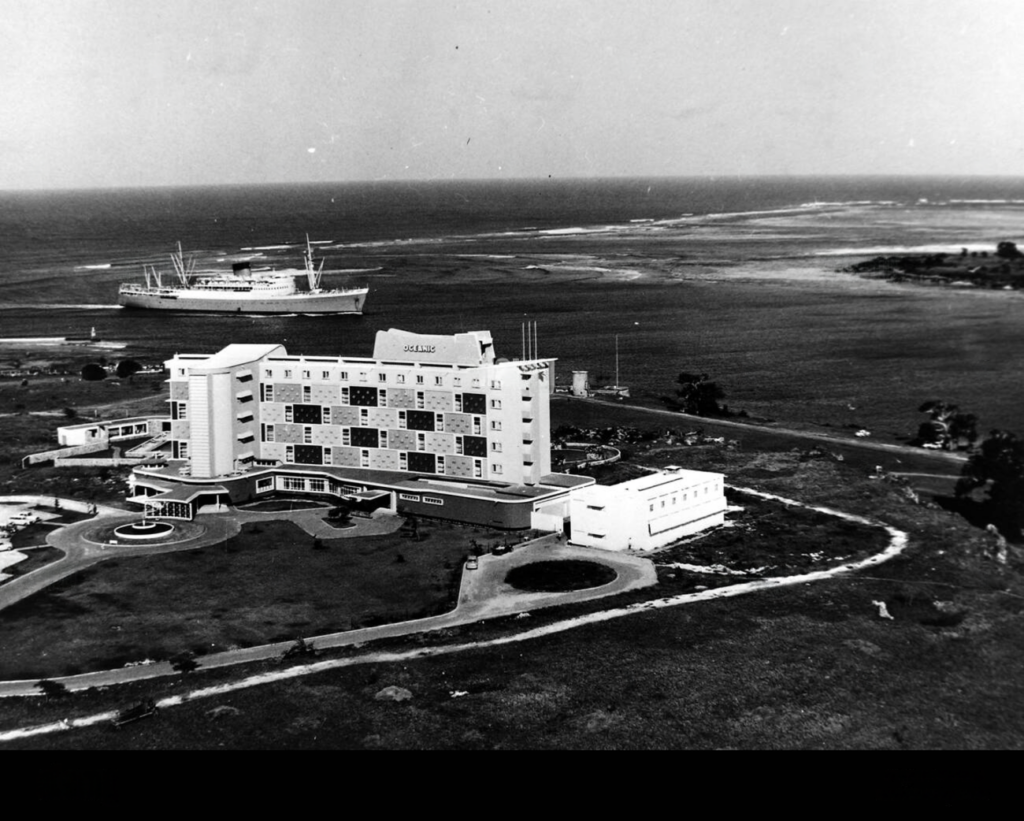
- KSB was established through the Kenya Society for the Blind Act (Cap 251) and commenced operations on 18 October 1956.
- The Society was mandated to promote the welfare, education, training, and employment of blind persons and assist in the prevention and alleviation of blindness.
- Early efforts focused on identifying persons with visual impairment, mobilizing public support, and creating pathways for education and vocational training.
- KSB became the principal national institution addressing blindness and visual impairment during the late colonial and early independence period.
- Initial partnerships were developed with government departments, missionary institutions, and international supporters working in blindness prevention and rehabilitation. (Kenya Law)

Post-Independence Expansion
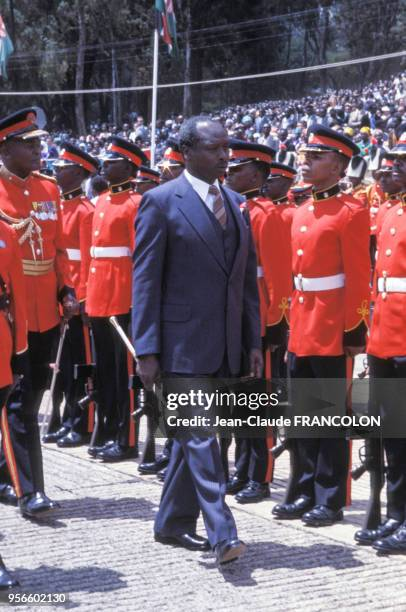
- Following Kenya’s independence, KSB aligned its programmes with national development priorities.
- The Society expanded support for education and welfare services for persons with visual impairment.
- Public awareness campaigns on blindness prevention increased.
- Collaboration with government ministries strengthened to improve educational opportunities and social inclusion.
- During this period, specialized services for blind learners and adults gained greater recognition within national planning frameworks. (ksblind.org)
Growth of Rehabilitation and Educational Support
- KSB strengthened rehabilitation services aimed at independent living for blind and visually impaired persons.
- Increased emphasis was placed on Braille literacy, mobility training, and vocational preparation.
- The Society supported schools serving learners with visual impairment and promoted access to educational materials.
- National advocacy efforts contributed to greater awareness of the rights and needs of blind Kenyans.
- Eye care outreach activities expanded in collaboration with health sector partners. (ksblind.org)

Integration and Inclusive Education
- A major milestone occurred in 1986 when KSB began coordinating the Kenya Integrated Education Programme (KIEP).
- Through partnerships with the Ministry of Education and international organizations, KIEP promoted the integration of learners with visual impairment into mainstream schools.
- Teacher training in Braille and low-vision support increased.
- Educational assessment and placement mechanisms were strengthened nationwide.
- The decade marked a shift from segregated education approaches toward inclusive education models. (ksblind.org)
National Outreach and Prevention of Blindness
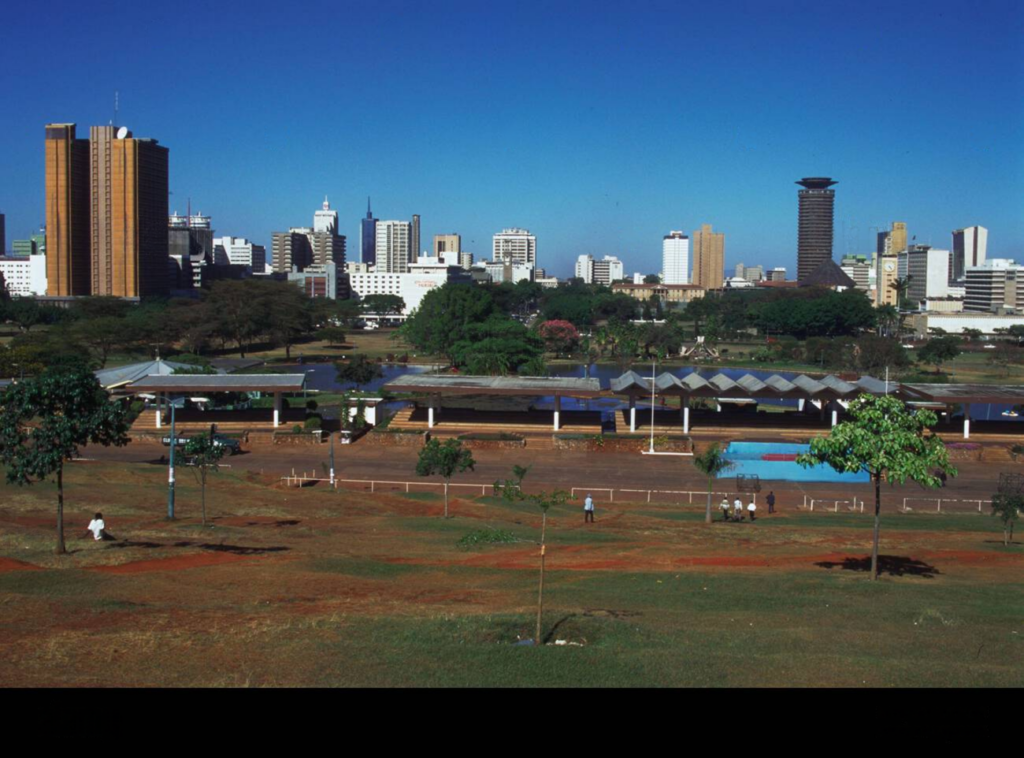
- KSB expanded blindness prevention programmes through community-based interventions.
- Eye screening, referrals, and public education campaigns increased across counties.
- The Society strengthened collaboration with eye health partners and government agencies.
- Rehabilitation services became more structured, helping visually impaired persons access education, training, and employment opportunities.
- Public awareness regarding preventable blindness and early treatment gained prominence. (ksblind.org)

Strategic Transformation and Partnerships
- KSB diversified its programmes into three key areas: Eye Care, Education, and Rehabilitation.
- The Society expanded partnerships with government, donors, and international blindness prevention organizations.
- Assistive technology and adaptive learning resources became increasingly important components of service delivery.
- National advocacy for inclusive education and disability rights intensified.
- The organization underwent institutional reforms aimed at improving effectiveness and sustainability. (Uonbi Erepository)
Modernization and Rights-Based Programming
- KSB strengthened strategic planning and organizational change processes.
- Increased emphasis was placed on advocacy, awareness creation, and empowerment of persons with visual impairment.
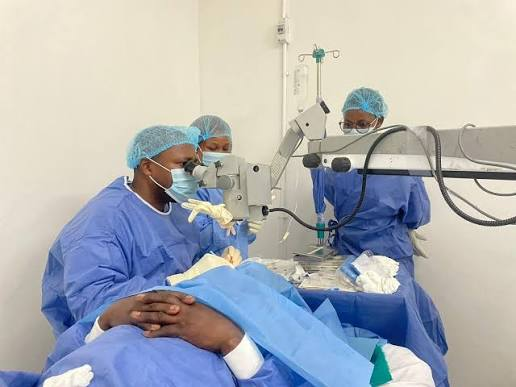
- Eye health outreach programmes expanded, addressing cataracts, refractive errors, glaucoma, and other causes of avoidable blindness.
- The Society promoted assistive technologies and accessible education resources.
- Collaboration with county governments increased following Kenya’s devolution framework.
- KSB aligned its programmes with disability rights frameworks and national development goals. (Uonbi Erepository)

Innovation, Accessibility and KSB@70
- KSB strengthened its focus on accessibility, inclusion, and assistive technology.
- Expansion of community eye screening programmes and cataract surgery interventions helped address avoidable blindness.
- The Society enhanced rehabilitation services, including Braille literacy, orientation and mobility training, and independent living skills.
- Partnerships with government agencies, private sector organizations, and development partners continued to grow.
- In 2025, KSB highlighted that millions of Kenyans remain at risk of blindness, reinforcing the importance of preventive eye care and early intervention.
- The renovation of the KSB Centre for Assistive Technology and Rehabilitation marked a significant investment in modern rehabilitation services.
- Preparations for KSB@70 culminated in 2026, celebrating seven decades of service, advocacy, rehabilitation, education, and blindness prevention across Kenya. (The Star)
Our Impact at a Glance
Through our programmes, partnerships, and advocacy, we are transforming lives by empowering persons with visual impairments to live with dignity, independence, and opportunity. Every number represents a life reached, a barrier broken, and a step toward a more inclusive society.
Rehabilitated
57k+