
Digital Access Programme (DAP)
THE GOAL
This joint initiative systematically addresses digital exclusion, economic marginalization, and deeply rooted community stigma against Persons with Disabilities across four diverse frontline counties in Kenya: Mandera, Busia, Garissa, and Turkana.
Project Summary
Year: 2024 2026
Duration: 3 years
Counties: Mandera, Busia, Garissa, Turkana
Impact Numbers: 528 participants upskilled
ABOUT THE PROJECT
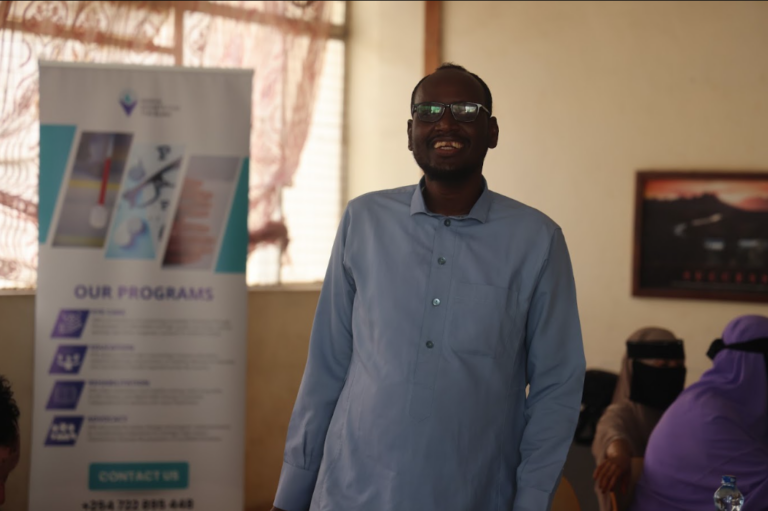
The Digital Access Programme (DAP), funded by the UK Government through the British High Commission in Nairobi, stands as a transformative milestone implemented by the Kenya Society for the Blind (KSB) in strategic partnership with KICTANeT. This joint initiative systematically addresses digital exclusion, economic marginalization, and deeply rooted community stigma against Persons with Disabilities across four diverse frontline counties in Kenya: Mandera, Busia, Garissa, and Turkana.
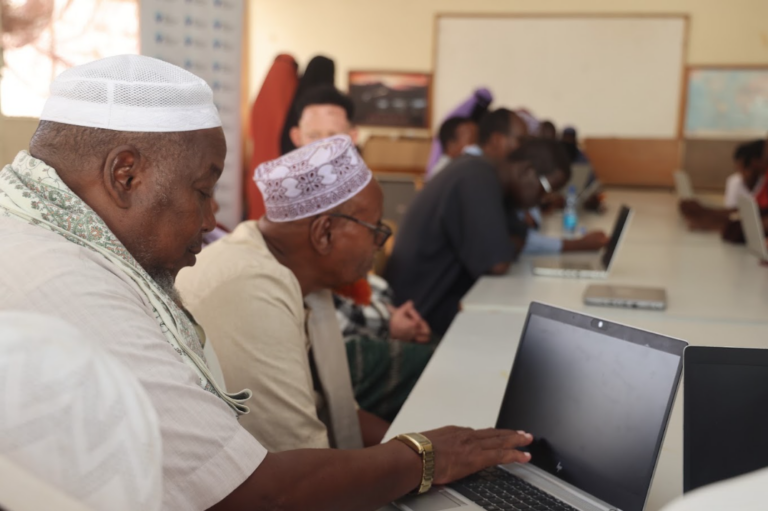
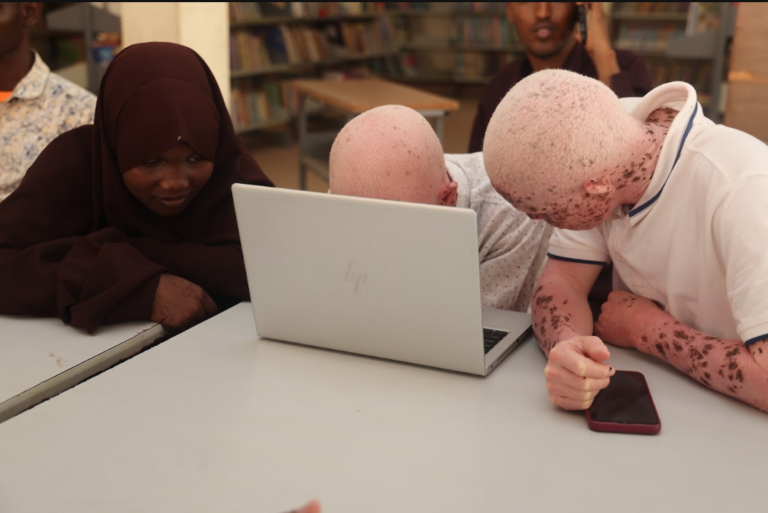
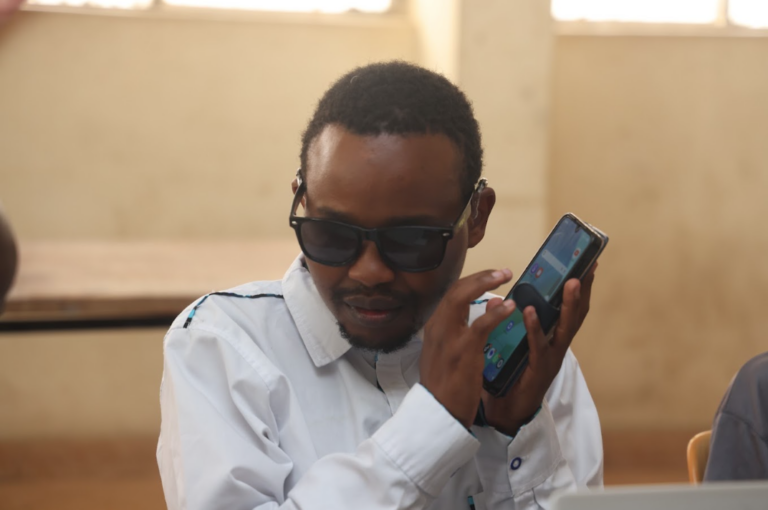
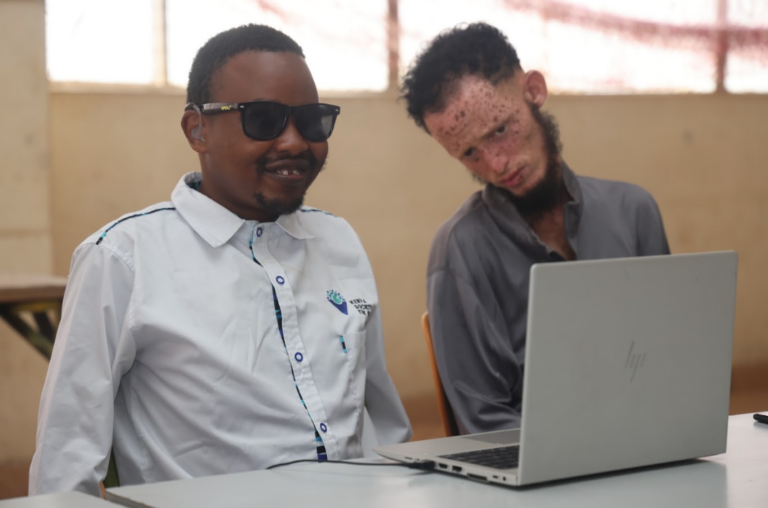
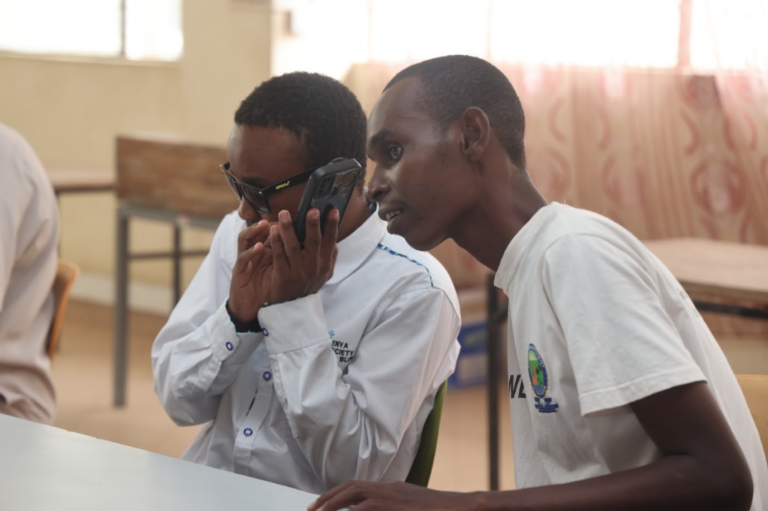
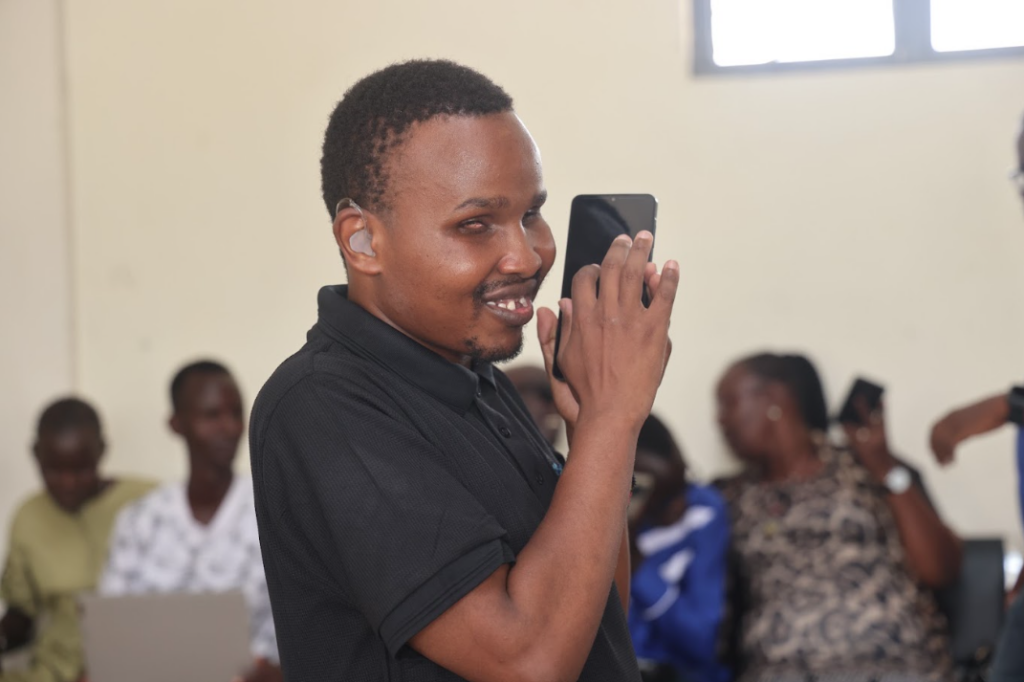
Across all interventions, KSB deployed a modified Information and Communications Technology Authority (ICTA) curriculum strictly optimized for adaptive technology. Utilizing practical, laboratory-style methodologies, blind technical trainers modeled peer-to-peer excellence. Visually impaired participants achieved comprehensive operational independence on smartphones and laptops by leveraging state-of-the-art assistive screen readers, including JAWS, NVDA, Fusion, and Google TalkBack. The curriculum expanded beyond foundational digital navigation to build advanced Artificial Intelligence (AI) literacy through modern utility platforms like Google Gemini, ChatGPT, Louie Voice, and Perplexity AI, driving safe, ethical internet navigation and autonomous access to digitized e-government platforms.
THE OUTCOME
The collective program successfully upskilled 528 participants through deep regional footprints:
- Mandera County (Jan 2024): 85 visually impaired trainees were upskilled at the local KNLS facility, successfully navigating regional language barriers and integrating teachers from the Mandera Special School for the Blind alongside cross-border trainees from Somalia.
- Busia County (Dec 2024): Achieved an unprecedented 43.5% surge over target capacity, upskilling 244 multi-disability trainees across three regional centers. This cohort fostered cross-border inclusion with Ugandan participants and secured critical land commitments from county leadership for a dedicated resource center.
- Garissa County (March 2026): Trained 97 individuals at the local library, targeting marginalized groups from the Dadaab Refugee Camp and initiating legislative review MoUs with the Garissa County Assembly.
- Turkana County (March 2026): Upskilled 102 participants across six vast sub-counties, targeting vulnerable populations within the Kakuma Refugee Camp and partnering with Turkana University College to establish permanent, adapted digital resource centers.